What Makes a Great Corporate Headshot? A Photographer's Perspective
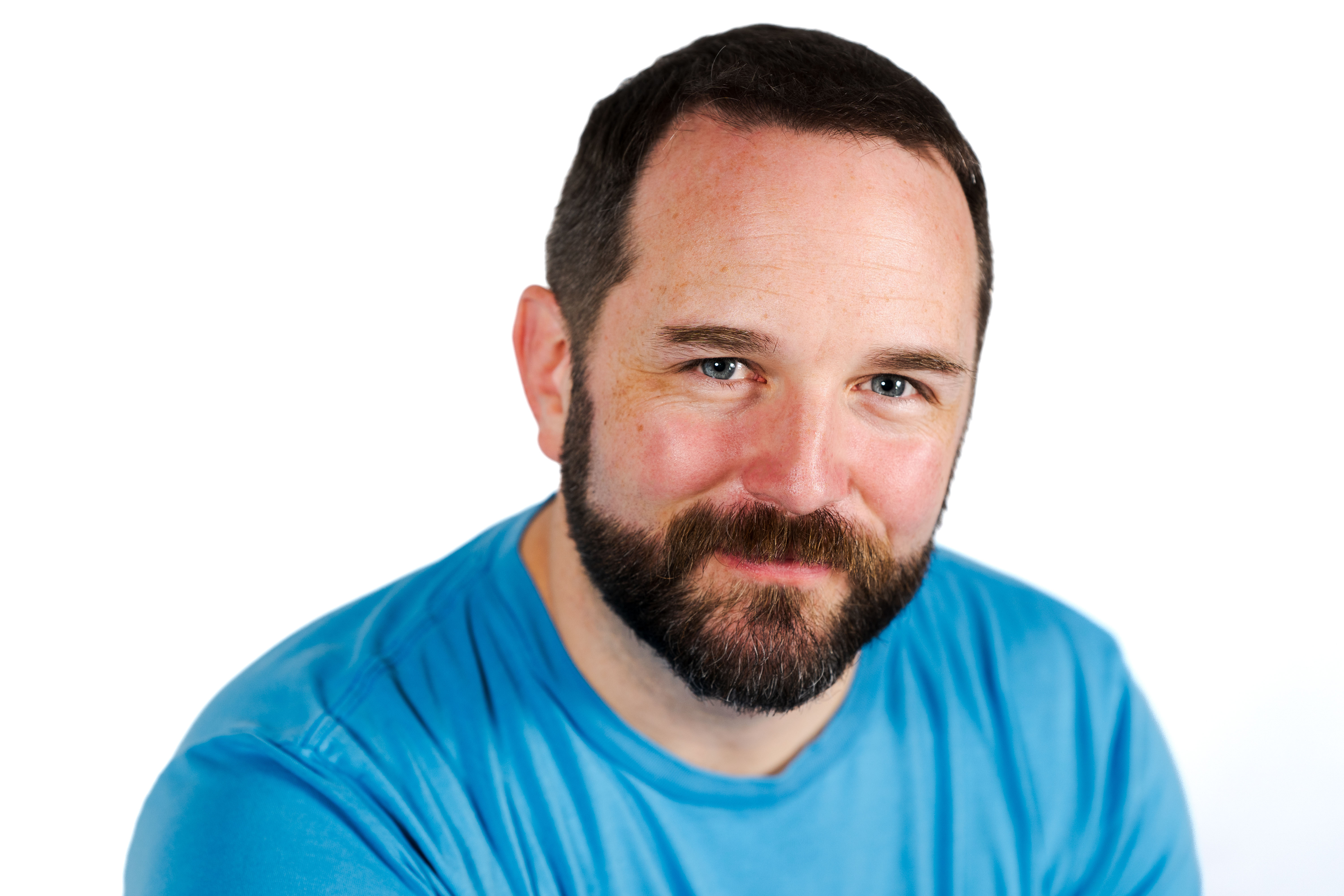
I've shot a lot of headshots in a lot of different environments at this point. Enough to notice a pattern: the photos people actually love almost never come down to the camera, the lens, or even the lighting setup — though all of that matters. They come down to something harder to manufacture: the person actually looking like themselves, just on their best day.
Here's what I think separates a “meh”, forgettable headshot from a great one.
The Technical Stuff (Necessary, Not Sufficient)
Lighting that's flattering but not flat. Enough depth of field to keep the subject sharp while letting the background fall away just slightly, so the eye knows exactly where to look. A clean, simple background that doesn't fight for attention. Color correction that doesn't push someone's skin tone into something that looks unnatural under office lighting next week.
This is the floor, not the ceiling. Every competent photographer can hit these marks. Shoot, you can manage most of this with an iphone or a google pixel. They're necessary. They're not what makes a headshot actually good.
The Part That Actually Matters: Direction
Most people are uncomfortable in front of a camera. That's normal — it's not a "you" problem, it's a species problem. We’re humans. Our brains aren't wired to perform "natural" on command.
The photographer's real job is reading that discomfort and working through it in real time. A slight angle change. A different prompt than "just smile" (which, if you've ever tried it, produces the most unnatural smile a human face can make). Sometimes it's just talking to someone for thirty seconds about something unrelated to the shoot, then catching the moment right after, when they've actually relaxed. That reason why photographers ask people to fake laugh? They usually real laugh afterwards.
The difference between a stiff, posed-looking headshot and one that feels alive almost always comes down to direction, not gear.
Authenticity Over Perfection
There's a version of headshot photography that chases an airbrushed, almost AI-generated-looking perfection — every line smoothed, every imperfection erased. We don't shoot that way, and it's not just an aesthetic preference. That said, if you have a blemish that day, we’re fixing that. That’s not who you are, that’s just angry skin!
A headshot's job is to represent you accurately enough that when someone meets you in person after seeing your photo online, there's no gap. If the photo looks like a slightly-better, more rested version of you, it's done its job. If it looks like an entirely different, suspiciously smooth person, it's actually working against you.
Context Matters More Than People Think
A great headshot for a law firm partner and a great headshot for a creative agency founder probably shouldn't look identical, even if both are "professional." Tone, posing, even the slight difference between a closed-mouth confident look and a warmer open smile — these aren't arbitrary choices. They should match what the photo actually needs to communicate about you and your role.
This is why a good headshot session usually starts with a conversation, not a camera. What's this photo actually for? Who's going to see it, and what do you want them to take away?
The Honest Summary
Good gear gets you in the room. Good light keeps you in focus. But a great headshot — the kind people actually like using, year after year — comes from someone paying attention to you as a person for fifteen minutes, not just operating a camera at you.
If that's the kind of session you're looking for, start your project or book a discovery call. We'd love to help.